2297 - Keila, Estonia

Keila is an old Estonian town of just over 10 000 people. There is evidence of human settlement in the area from 2000-3000 BCE. Around 1000 CE, the village of Keila was established along the Keila River. In 1219, the Danish conquered the area and made Keila the site for the County Church. It was dedicated to St. Michael. The original wooden church was replaced with a stone structure near the end of the 1200s. 

During the Livonian War (1558-1583), Keila was destroyed. In 1601-1602, the plague and starvation also decimated the population. Keila remained a small church village for three more centuries. 

The Soviet Union had a tank base near Keila. The locals called in Tankipolk. It was demolished a few years after the USSR left Estonia. Today a residential area is found where the old base was. 

Pille-Riin is a mother with twin daughters (12 yrs) and they are all active with the local scouts. She loves Scottish Terriers and West Highland Terriers.

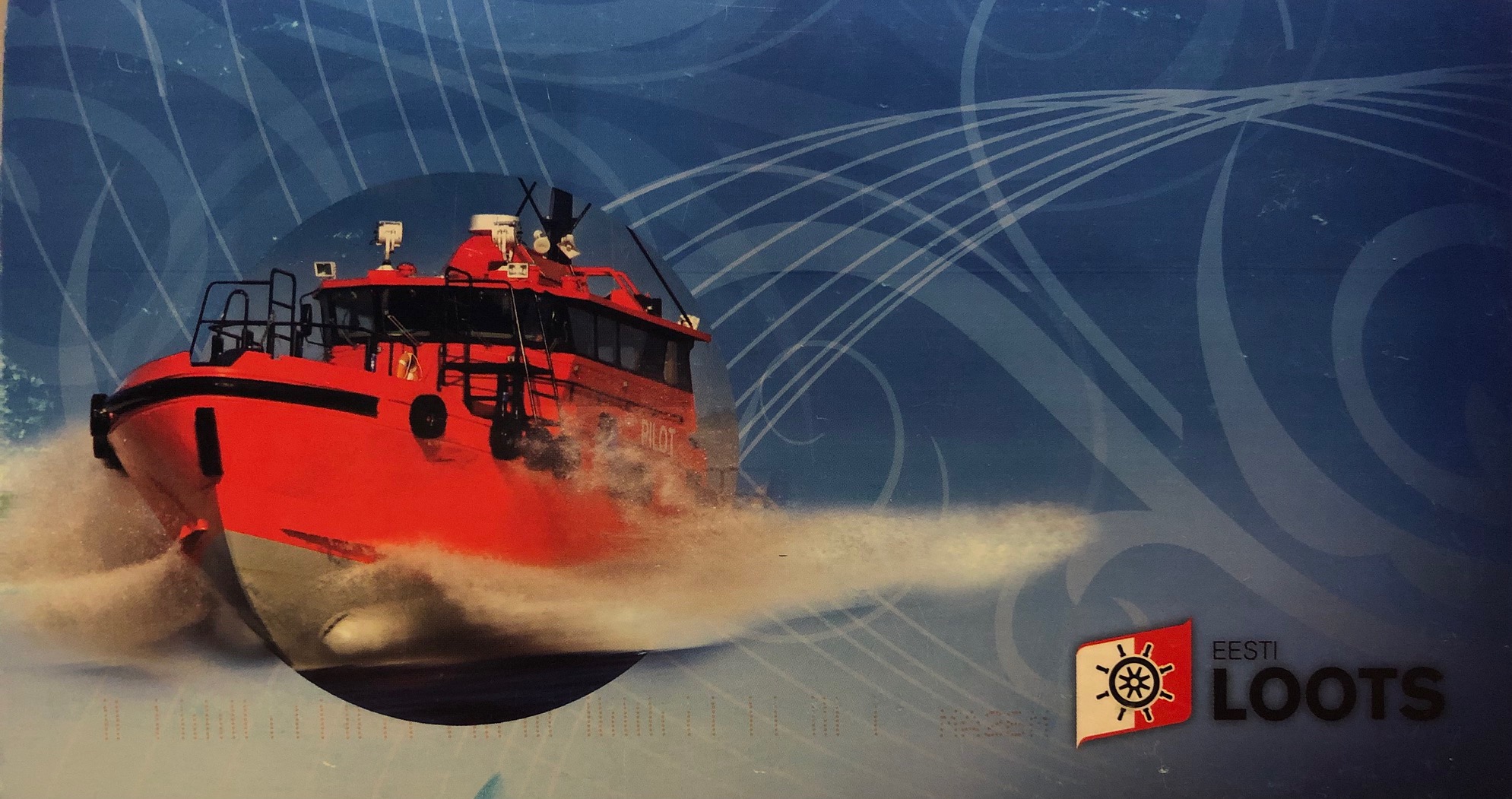
The card she sent is bigger than most cards and features, what I think, it an Estonian coast guard boat. The stamps on the card is a Europa stamp and is beautiful. 

Comments

Popular posts from this blog

3566 - Bakhmach, Chernihiv, Ukraine

Bakhmach is locarted in northern Ukraine. I'm taking this next paragraph straight out of Wikipedia: During the  Russian invasion of Ukraine  on February 26, 2022, at least 65 units of Russian military equipment moved through Bakhmach, with about a hundred more on the outskirts. Local residents tried to stop the convoy on their own by blocking tank tracks with makeshift objects and convincing Russian soldiers not to move towards  Kyiv . One man attempted to climb onto a tank and block the road with his body (he was not hurt). However, the military equipment continued to move, and Russian forces fired several shots into the air. Слава Україні!

3564 - Kassel, Hesse, Germany

A wonderful message on this card that translates to to those wh o can wait, everything comes with time.

2352 - Cologne (Köln), North Rhine-Westphalia, Germany

Cologne is home to the twelve Romanesque churches. All are Catholic churches and all are found in Altstadt (old town). All were severely damaged during the 262 Allied air raids on Cologne. All twelves have been restored. St. Andreas was consecrated in 974. The crypt of the church as a sarcophagus that dates back to the third century and it holds the remains of St. Albertus Magnus, who died in 1280. St. Apostein was consecrated in the 800s. St. Cecilia was built in the 800s and it the current home of the Schnutgen Museum for Medieval Art. It still holds Catholic Mass on rare occasions.  St. Georg's was built near the end of 1000s. It was extensively restored after the Second World War. St. Gerion's was established in 612. St. Kunibert was consecrated in 1247. Cunibert, the 9th Bishop of Cologne, is buried here. St. Maria im Kapital was built between 1040-1065. It was also heavily damaged during the war and restoration was finally completed in 1984.  St. Maria Lyskirchem is the ...